Module

Implementing visual cues in the classroom

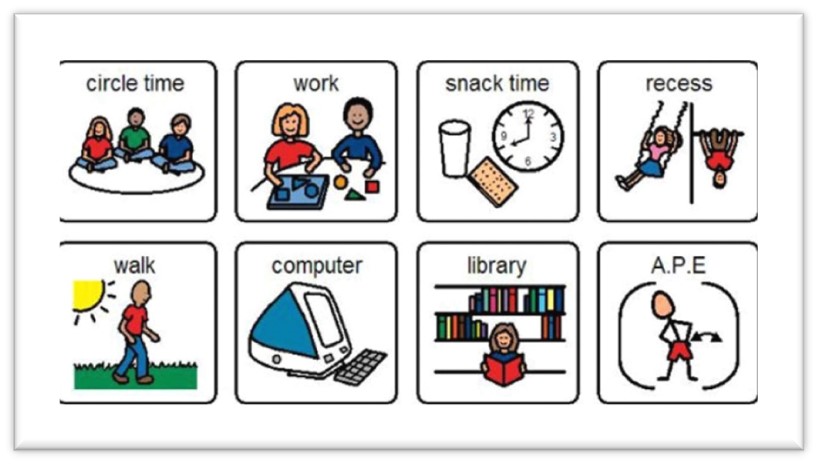
Implementing visual cues in the classroom, as suggested by Volmer (1995), can greatly enhance the independence of students with developmental disabilities by helping them navigate the physical environment effectively. Visual cues can include boundary markers such as furniture, rugs, and colored tape on the floor, which can represent distinct spaces designated for different functions. Critcut printers […]

Implementing visual cues in the classroom Read More »

Getting to know your clientele

 The clientele you will be supporting is unique in many ways. They range from youth 16 to 50+ years old. They may have just dropped out of school or may be coming back in adulthood to finish their high school diploma. They may be new arrivals to Canada, from Indigenous backgrounds or those with special

Getting to know your clientele Read More »

Reference manual for intervention in disadvantaged areas *

MEES has prepared a reference manual for intervention in disadvantaged areas. The document is designed to support the thinking process and offer guidelines to help education communities with their choice of actions. Its aim is to provide avenues for reflection on how to foster educational success for students from disadvantaged areas, including multiethnic disadvantaged areas.

Reference manual for intervention in disadvantaged areas * Read More »

Scroll to Top