
Post pandemic student perspectives research
Addresses FGA and FP student well-being and the link to teacher/student collaboration, by Nadia Rousseau Ph.D. . A must read!
Post pandemic student perspectives research Read More »
Addresses FGA and FP student well-being and the link to teacher/student collaboration, by Nadia Rousseau Ph.D. . A must read!
Post pandemic student perspectives research Read More »

There are tons of stimulating jobs in the labour market. When it comes to choosing a career, you can count on help. Discover jobs related to your hobbies, interests and aspirations.
Discover Jobs with a Promising Future Read More »

Welcome, fellow Social Integration community member! We hope that this resource will help to shed some light on the program, provide you with valuable tools, guide your professional development, as well as provide you with an opportunity for networking.
Quebec Social Integration (QC SI) Network Read More »
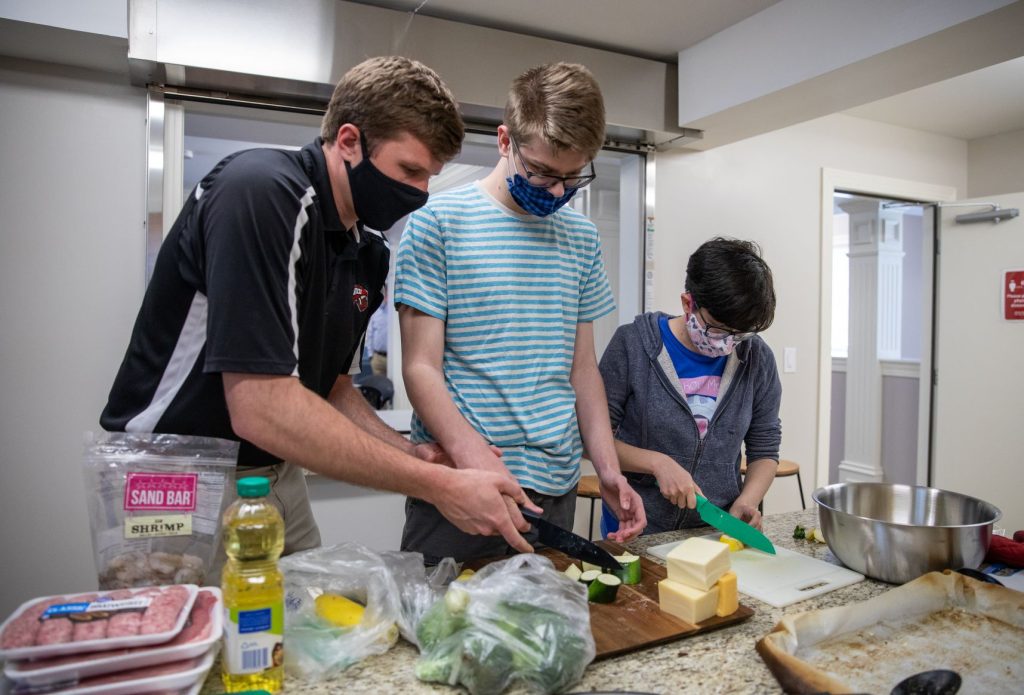
Life skills benefit adults with intellectual disabilities the same way they benefit kids of all ability levels in primary school, Ph.D. students, presidential candidates, and retirees. Basically, life skills benefit all of us no matter our level of intellectual ability.
A Guide to Life Skills Education for Adults with Intellectual Disabilities Read More »
This document is an adapted version (abridged and modified) of A Practical Guide for the Teaching of Literacy to Adults With Learning Difficulties. It is not always easy to summarize a document, especially when it is made up of fourteen parts that are all equally important. We had to make choices, always striving to respect
A Practical Guide for Teaching Adults with Learning Difficulties Read More »
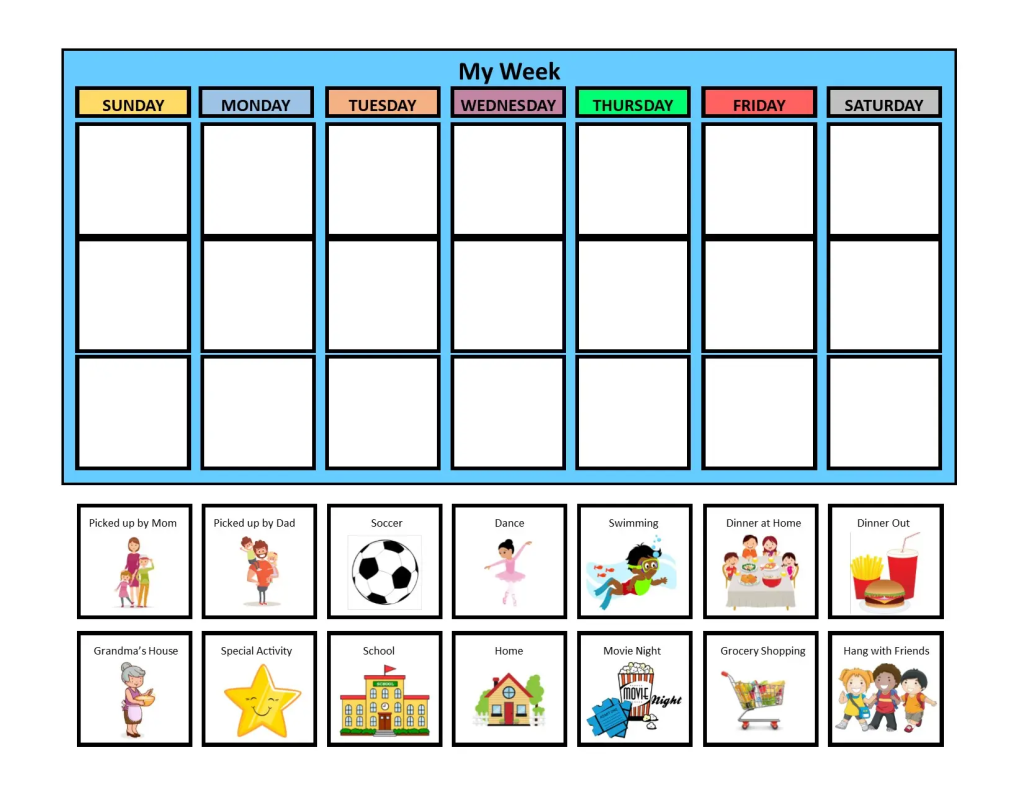
When creating the daily schedule, tailor the format to match the skill level of each student to ensure comprehension and ease of use. For a student who is not yet able to read or recognize pictures as representations of objects or events, the schedule can be created using tangible objects that symbolize each scheduled activity. For example, a wrapped snack
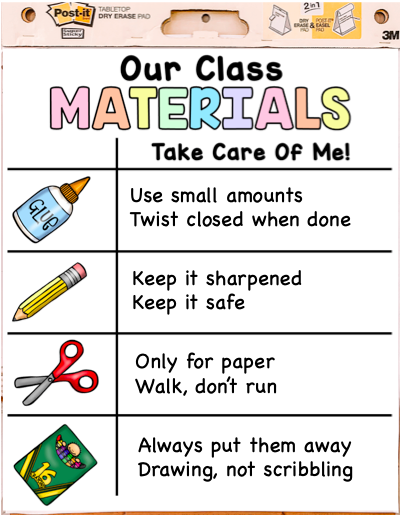
Teach students the proper procedures for accessing materials, such as raising their hand, seeking teacher permission, and then retrieving a pencil from the supplies shelf. It’s important to provide clear and consistent instruction on these steps. Additionally, consider posting a daily schedule that is easy to understand and follow, as both neurotypical students and those
Procedures for accessing materials Read More »
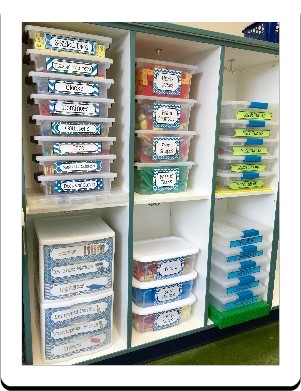
Additionally, make commonly used classroom items such as school supplies and games easily accessible by storing them on shelves or in transparent containers. Consider providing labels for these items using a combination of pictures and words to aid in identification when needed.
Make classroom items easily accessible Read More »
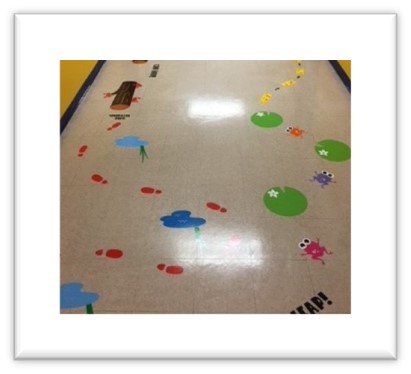
Clear boundaries can provide students with a better understanding of designated areas for specific activities, such as relaxation or studying. However, in reality, classroom spaces often serve multiple purposes. In spaces that serve multiple purposes, you can utilize signs or visual indicators to designate specific uses for the space at a given time. For instance, you
